


Medical Weight Loss Patient Guide

What are GLP-1 Injectables?
GLP-1 injectables are medications that mimic a natural hormone (glucagon-like peptide-1) that your small intestine produces to help regulate blood sugar and appetite. Historically, GLP-1’s were used for treating type 2 diabetes as they were (and still are) effective at stimulating the pancreas to release insulin while also suppressing glucagon. This process helps control glucose levels. Starting in 2014, the FDA approved its first GLP-1 for weight loss, Saxenda, and has since approved Zepbound and Wegovy.
GLP-1’s slow digestion (gastric emptying), which reduces blood glucose spikes after eating. As you eat, this hormone signals the brain (via bloodstream and vagus nerve) that you are no longer hungry. Patients often find relief in “food noise”, cravings and over-eating.
GLP-1 Options
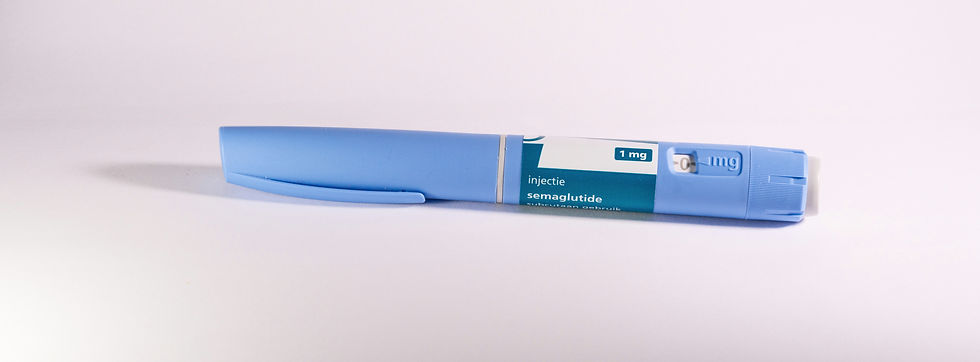
Wegovy (semaglutide)
Wegovy (generic semaglutide) consists of one hormone, GLP-1, and is approved for both adults and adolescents (12 years of age or older). The FDA has approved this medication for weight loss and cardiovascular disease as studies have shown that it decreases the risk of cardiovascular events.
Clinical trial outcomes showed an average of 13.7% weight loss over 72 weeks.
The brand name Wegovy often requires prior authorization from insurance. Not all plans cover this medication.
Compound pricing starts at $99/mo.
Zepbound (tirzepatide)
Zepbound (generic tirzepatide) contains two hormones: GIP + GLP-1 medicine. GIP (glucose-dependent insulinotropic polypeptide) stimulates insulin release when glucose levels are elevated. Although GIP does not affect gastric emptying, in combination with GLP-1, Zepbound has been proven to lead to greater weight loss and improvements in insulin sensitivity. The FDA has approved this drug for chronic weight management and obstructive sleep apnea.
Clinical trial outcomes showed an average of 20.2% weight loss over 72 weeks.
The brand name Zepbound often requires prior authorization from insurance. Not all plans cover this medication.
Compounded tirzepatide starts at $150/mo.
Side Effects and Risks
Both Wegovy and Zepbound’s side effects are usually linked to slowed digestion. Patients can experience nausea, vomiting, diarrhea, and/or constipation. This is often prominent at the beginning of therapy and during dose changes.
Although rare, there is a black box warning on both drugs regarding risk for thyroid tumors (specifically medullary thyroid carcinoma). These conditions were found during animal studies only. As a precaution, these medications are avoided in patients that carry a personal or family history of thyroid cancers.
Which One is Right for Me?
Your provider will discuss which medication will be best suited for your needs after collecting your health history and lab work. The table below can give you a quick reference to compare both drugs.
Wegovy | Zepbound | |
Mechanism | GLP-1 | GLP-1 & GIP |
Age limit | 12 yr + | Adults 18 yr + |
Conditions treated | Overweight/Obesity, Cardiovascular disease | Overweight/Obesity, Obstructive Sleep Apnea, Insulin Resistance* |
Weight Loss Target | 13% body weight | 20% body weight |
Side Effects | Nausea, constipation, heartburn, diarrhea | Nausea, constipation, heartburn, diarrhea |
*Not an FDA-approved condition for Zepbound

Comments